Give help and take help concept and earn 50L-70L within 4 months

Earn 50L-70L within 4 months if interested and serious persons watch this video
(Hindi Video) << Click this or Click This>>>>>>>>>>>>>>>>>>>>>>

For How to register and procedure and In English

This is another video watch this CLICK HERE OR TOUCH HERE <<< OR CLICK BELOW VIDEO >>>>>

𝗔𝗻 𝗮𝗺𝗮𝘇𝗶𝗻𝗴, 𝗼𝗻𝗰𝗲 𝗶𝗻 𝗮 𝗹𝗶𝗳𝗲 𝘁𝗶𝗺𝗲 𝗼𝗽𝗽𝗼𝗿𝘁𝘂𝗻𝗶𝘁𝘆 𝗼𝗻𝗹𝘆 𝗳𝗼𝗿 𝗜𝗻𝗱𝗶𝗮 𝗽𝗲𝗼𝗽𝗹𝗲.🔥

Make ₹ 𝟳 𝗠𝗶𝗹𝗹𝗶𝗼𝗻 in 𝟰 𝗺𝗼𝗻𝘁𝗵𝘀 just by investing ₹ 𝟵𝟱𝟬. 💰💰

An amazing opportunity only for Indian people to make money online. 💰💰

Nothing can be easier than this. Even a school boy can do it..🎯

𝗟𝗶𝘃𝗲 𝗮𝗰𝘁𝗶𝗼𝗻:- How to sign up to the 𝗕𝗲𝘀𝘁 𝗢𝗻𝗹𝗶𝗻𝗲 𝗲𝗮𝗿𝗻𝗶𝗻𝗴 💰 platform for 𝗜𝗻𝗱𝗶𝗮𝗻 𝘀𝘁𝘂𝗱𝗲𝗻𝘁𝘀, 𝗵𝗼𝘂𝘀𝗲 𝘄𝗶𝘃𝗲𝘀, 𝗷𝗼𝗯 𝗴𝘂𝘆𝘀, and even for 𝗿𝗲𝘁𝗶𝗿𝗲𝗱 𝗽𝗲𝗼𝗽𝗹𝗲.

𝗪𝗮𝗻𝘁 𝘁𝗼 𝗿𝗮𝗶𝘀𝗲 𝗳𝘂𝗻𝗱𝘀 𝘁𝗼 𝘀𝘁𝗮𝗿𝘁 𝗮 𝗕𝘂𝘀𝗶𝗻𝗲𝘀𝘀??
💎Take help from GiveNtake Help money making program.

✅ 𝗦𝗶𝗴𝗻 𝘂𝗽 – 𝗣𝗮𝘆 𝗣𝗹𝗮𝘁𝗳𝗼𝗿𝗺 𝗠𝗮𝗶𝗻𝘁𝗲𝗻𝗮𝗻𝗰𝗲 𝗙𝗲𝗲 – 𝗛𝗲𝗹𝗽 𝘁𝗵𝗲 𝗨𝗽 𝗹𝗶𝗻𝗲𝗿 𝘁𝗼 𝘀𝘁𝗮𝗿𝘁 𝗲𝗮𝗿𝗻𝗶𝗻𝗴 𝗺𝗼𝗻𝗲𝘆.🚀 CLICK HERE to Watch

Give n Take help sign up, PMF and Pay to up liners || Best earn money online program 2019 This is the best money making opportunity for students, housewives, job persons or even for retired people. This is the easiest and best money making website available only for Indian people. About this video:- This video shows the sign up process to GiveNtake Help opportunity where you can make 74 lakh in 4 months in live action. It also shows How to pay the Platform Maintenance Fee and help the up liners in order to get your referral link which you will provide us through the Gform available in our Fb team only chatroom.

Note: If you are serious and you want to earn 74 lakhs in four months you need to join only 2 members after that each two members will join Each two members. Helping each others is not illegal and its good opportunity earn while helping each other Just you need to pay 950 including Platform Maintenance Fee + GST EACH WATCH VIDEO TRICE OR FOUR TIMES for understanding easily. After paying PMF and GST 363 for 1st five columns and you have to pay starting 3 only after that you no need to pay from your pocket. You need to pay from what ever earn Example if you earn 1000 then you pay 540 only upto ten stage….

अलादीन की कहानी अलादीन और जादुई चिराग

कौन है अलादीन ?

अलादीन मशहूर किताब अरेबियन नाइट्स का एक पात्र है जो अफगानिस्तान के शहर मे रहता है. वह एक गरीब विधवा का बेटा है, अलादीन बहुत ईमानदार और बहादुर है, उसके पास एक जिन्न है जो एक चिराग में रहता है जिसकी कहानी यहां दी जा रही हैं.

अलादीन और जादुई चिराग

एक समय कि बात है. बहुत दुर एक शहर में एक दर्जी रहा करता था. उस दर्जी का एक बेटा था. उसका नाम अलादीन था, कुछ समय बाद उसके पिता बीमार पड़ गये और उनकी मृत्यु हो गई, अलादीन की मां के लिए यह मुष्किल वक्त था, उसे कमाने के लिए बाजार जाना पड़ता, तब अलादीन भी शहर की गलियों मे खेलने निकल जाया करता, दिन भर कुछ ना कुछ आवारा गर्दी करता था, इसी तरह दिन बीत रहे थे.अलादीन एक दिन बाजार में कुछ आवारा लड़कों के साथ खेल रहा था तभी एक आदमी आया और उसने अलादिन को गले से लगा लिया. अलादिन आष्चर्यचकित रह गया. वह आदमी रोते हुए अलादिन के पिता को याद करने लगा. उसने अलादिन को बताया कि वह उसका चाचा है और व्यापार के सिलसिले में विदेश गया हुआ था. उसे जब अपने भाई की मृत्यु की खबर मिली तो वह अपने भतीजे और अपने भाई की बेवा से मिलने के लिए चला आया है.

अलादीन इन हिंदी

उसने अलादीन को कुछ अशर्फिया दी और उससे घर का राशन और दूसरे जरूरी सामान खरीद कर घर ले जाने को कहा. अलादीन ने घर पहुंच कर अपने चाचा के बारे में मां से पूछा तो मां ने कहा कि उसके पिता को कोई भाई नहीं है. अलादीन ने मां को बताया कि चाचा ने उसे अशर्फिया दी हैं और जरूरी सामान खरीदवाया है तो मां को लगा कि कोई दूर का भाई होगा जिसे वह नहीं जानती है.

अगले दिन वह व्यक्ति अलादीन के घर आया और ढेर सारे उपहार लाया और अपनी भाभी से भाई के मृत्यु का शोक जताया. अलादीन की मां को भी यकीन हो गया कि वह जरूरत उसके पति का भाई है. इस तरह अलादीन का चाचा उसके घर पर रहने लगा और परिवार का सारा खर्च उठाने लगा. अलादीन और उसकी मां को विष्वास हो गया कि यह आदमी उनका रिश्तेदार ही है.एक शाम जब अलादीन अपने चाचा के साथ बाजार घूम रहा था तो उसके चाचा ने कहा कि वह शहर में रहते-रहते ऊब गया  है और कुछ समय के लिए पास के जंगल में जाना चाहता है और अलादीन को भी उसके साथ चलना होगा. अलादीन अपने चाचा के साथ चलने के लिए राजी हो जाता है. जंगल में एक जगह उसका चाचा पहुंच कर रूक जाता है और हाथ में लाल पाउडर लेकर मंत्र पढ़ कर हवा में उछालता है.ऐसा करते ही एक धमाका होता है और जमीन में एक सुंरग का दरवाजा खुल जाता है. ये देखकर अलादीन डर के मारे भागने लगता है तो उसका चाचा उसे रोक लेता है और उसे कहता है कि अगर उसे अमीर बनना है तो यह एक सुनहरा मौका है. उसे सुरंग के भीतर जाना होगा और वहां बने खानकाह में एक जलते हुए चिराग को बुझा कर बाहर लाना होगा. अंदर बेशकीमती जवाहरात भी हैं, अलादीन चाहे तो उसमें से कुछ रख सकता है, जिससे उसकी गरीबी दूर हो जाएगी.

अलादीन अपने चाचा की बात मान जाता है और सुरंग के अंदर उतर गया. अंदर एक बहुत ही सुंदर बगीचा था और सुनहरा प्रकाश फैला हुआ था. दूध की नदी बह रही थी और पेड़ रसीले फलों से लदे हुए थे. चारो तरफ हीरे जवाहरात रास्तों में कंकड़ की तरह फैले हुए थे. अलादीन ने कुछ हीरे उठा कर जेब में रख लिये.अलादीन टहलते हुए एक जगह पहुंचा जहां एक चिराग जल रहा था. अलादीन ने चिराग को बुझा कर अपनी जेब में रखा तो जमीन हिलने लगी. अलादीन तेजी से सुरंग के दरवाजे की ओर भागा तो देखा कि दरवाजा धीरे-धीरे बंद हो रहा है. अलादीन तेजी से दरवाजे की ओर लपका. उसका चाचा दरवाजे के मुहाने पर खड़ा था.

यह भी पढ़ें:सुकरात ने क्यों पिया जहरमिस वर्ल्ड मानुषी छिल्लर की बायोग्राफीजायरा वसीम की जीवनीमिल्खा सिंह की कामयाबी का सफरमिताली राज की जीवनीअलादीन जैसे ही दरवाजे पर पहुंचा, चाचा ने आवाज लगाई कि अलादीन जल्दी से चिराग मुझे दे दो. अलादीन ने अपना हाथ बढ़ाया और चाचा से खुद को सुरंग से बाहर निकालने को कहा लेकिन चाचा ने अलादीन से चिराग मांगा. अलादीन को चाचा की नियत पर शक हुआ तो उसने चाचा से कहा कि अगर वह उसको बाहर नहीं निकालेगा तो वह चिराग भी नहीं देगा. इस जद्दोजहद में दरवाजा बंद हो गया और अलादीन गुफा में कैद हो गया.

अलादीन हिंदी में

अलादीन अंदर बंद होने के बाद बहुत पछताया कि आखिर उसने एक अजनबी पर विश्वास क्यों किया? दरअसल अलादीन का नकली चाचा बनने वाला इंसान अफ्रीका का एक जादूगर था जिसे अलादीन के शहर के नजदीक जंगल में छुपे एक जादुई चिराग का नक्शा मिल गया था लेकिन इस चिराग के साथ शर्त यह थी कि उसे कोई इसी शहर का आदमी ही सुरंग से बाहर निकाल सकता है. इस काम के लिए उसने अलादीन को चुना क्योंकि चिराग लेने के बाद वह अलादीन को उसी सुरंग में कैद करके मार देना चाहता था. अलादीन का एक बूढ़ी मां के सिवा कोई नहीं था इसलिए उसका कुछ बिगड़ने वाला नहीं था.अलादीन अब इस सुरंग में कैद हो गया था, उसे भूख लगती तो फल खा लेता और प्यास लगती तो नदी से दूध पी लेता. आखिर में उसने फैसला किया कि वह इस गुफा में दूसरा रास्ता खोजने का प्रयास करेगा. इसके लिए वह उन रास्तों पर चला गया जहां अंधेरा था. अंधेरे के कारण उसे ठोकर लगी और वह गिर गया. ऐसा होते ही एक धुंआ उठा और एक जिन्न सामने आया और पूछा कि क्या हुकुम है मेरे आका.डरे हुए अलादीन ने जिन्न को कहा कि मुुझे इस सुरंग से बाहर निकालो. पलक झपकते ही अलादिन सुरंग से बाहर उसी जगह खड़ा था जहां उसके नकली चाचा ने उसे छोड़ा था. अलादीन जैसे-तैसे घर पहुंचा तो पाया कि उसके बिना उसकी मां का हाल बुरा था. अलादिन के जेब में अभी भी चिराग पड़ा हुआ था. उसने चिराग को बाहर निकाला और मां को बोला कि उसे यह चिराग मिला है, इसे बाजार में बेचकर कुछ पैसे मिल जाएंगे लेकिन बेचने से पहले इसे रगड़ कर साफ कर लेते हैं.जैसे ही अलादीन ने चिराग को रगड़ा वही जिन्न फिर सामने आया और बोला क्या हुकुम है मेरे आका. अलादीन की मां उस जिन्न को देखकर बेहोष हो गई. अलादीन ने हिम्मत जुटा कर पूछा कि तुम कौन हो. जिन्न बोला कि वह इस चिराग में रहता है और यह चिराग जिसके पास भी रहता है, वह उसका गुलाम हो जाता है. अलादीन ने पूछा कि क्या तुम मेरी कोई भी इच्छा पूरी कर दोगे तो जिन्न ने बताया कि वह कुछ भी कर सकता है.अलादीन ने जिन्न से ढेर सारा स्वादिष्ट खाना लाने को कहा क्योंकि उसे बहुत जोर से भूख लगी थी. देखते ही देखते सोने की थालियों में ढेर सार खाना अलादीन के सामने आ गया. इस तरह अलादीन ने जिन्न की मदद से अपनी गरीबी दूर कर ली. रहने के लिए एक आलीशान मकान बनवा लिया और ढेर सारे हीरे जवाहरात इकट्ठे कर लिए.अलादीन के पास शानोशौकत थी, पैसा था, नौकर चाकर थे लेकिन उसकी मां को एक चिंता थी कि उसकी शादी किसके साथ करवाई जाए. अलादीन ने फौरन चिराग रगड़ा और जिन्न ने बाहर आकर पूछा कि क्या हुकुम है मेरे आका. अलादिन ने जिन्न से कहा कि उसे इस दुनिया की सबसे सुंदर लड़की से शादी करनी है तो फौरन पता लगाओ कि इस दुनिया की सबसे सुंदर लडकी कौन है.जिन्न फौरन रवाना हो गया और थोड़ी ही देर में पता लगा कर आ गया कि इस दुनिया की सबसे सुंदर लड़की अफगानिस्तान की शहजादी नूरमहल है. अलादीन ने जिन्न से नूरमहल की तस्वीर दिखाने को कहा, जिन्न ने जादू से नूरमहल की तस्वीर बना दी. नूरमहल को देखते ही अलादीन को उससे मोहब्बत हो गई.अलादीन अपनी मां के पास गया और बोला कि आपको अफगानिस्तान के सुल्तान के पास जाकर शहजादी का हाथ मेरे लिए मांगना होगा. अलादीन की मां ढेर सारे हीरे जवाहरात लेकर सुल्तान के पास गई. सुल्तान इन उपहारों को देखकर खुश हो गया लेकिन उसने शहजादी की शादी में एक अड़चन बताई कि उसका अभी दुश्मन देश के साथ युद्ध चल रहा है, जिसमें वे हारने वाले है. अगर अलादीन उस लड़ाई में उसकी जीत करवा देगा तो वह शहजादी नूरमहल के साथ अलादीन का निकाह करवा देगा.अलादीन की मां यह बात अलादीन को बताती है तो वह चिराग रगड़ कर जिन्न को बुलाता है और अफगानिस्तान को लड़ाई जितवाने के लिए बोलता है. जिन्न पलक झपकते ही दुश्मन को भगा देता है. यह देखकर बादशाह खुश हो जाता है और नूरमहल का निकाह अलादीन से करने के लिए राजी हो जाता है.अफगानिस्तान का वजीर इस बात से खुश नहीं होता है क्योंकि वह अपने बेटे रहमान की शादी बादशाह की बेटी से करवाकर उसे अफगानिस्तान का बादशाह बनवाना चाहता है. वह बादशाह के कान भरता है और अलादीन के बारे में झूठी बातें बादशाह को बताता है. इससे बादशाह अलादीन से नाराज हो जाता है और वजीर के बेटे रहमान से नूरमहल की शादी करने के लिए तैयार हो जाता है.अलादीन को जब यह बात पता चलती है कि रहमान और नूरमहल की शादी हो रही है तो वह रात को नूरमहल और रहमान दोनों को जिन्न की मदद से अपने घर उठा लाता है और रहमान को पेड़ से बांध कर जिन्न से खूब डराता है. नूरमहल को भी अलादीन से मोहब्बत हो जाती है. रहमान बादशाह के पास जाकर जिन्न की डर की वजह से नूरमहल से शादी करने से इंकार कर देता है. ऐसे में बादशाह के सामने नूरमहल की शादी अलादीन से करने के सिवा कोई चारा नहीं बचता और अलादीन तथा नूरमहल की शादी हो जाती है. अलादीन बाद में अफगानिस्तान का बादशाह बन जाता है और जिन्न की मदद से सभी दुश्मनों को हरा देता है.

सच्चे प्यार की लव स्टोरी

ऋषि को चौदह साल की उम्र में ही पहला प्यार हो गया था| ऋषि उस समय आठवीं क्लास में था, उम्र कम थी लेकिन मॉर्डन ज़माने में लोग इसी उम्र में प्यार कर बैठते हैं|

ऋषि का ये पहला प्यार उसकी क्लास में पढ़ने वाली लड़की “नीलम” के साथ था| नीलम अमीर घराने की लड़की थी, उम्र यही कोई 13 -14 साल ही होगी और दिखने में बला की खूबसूरत थी| नीलम के पापा का प्रापर्टी डीलिंग का काम था, अच्छे पैसे वाले लोग थे|

ऋषि मन ही मन नीलम को दिल दे बैठा था लेकिन हमेशा कहने से डरता था| ऋषि के पिता एक स्कूल में अध्यापक थे| उनका परिवार भी सामान्य ही था इसीलिए डर से ऋषि कभी प्यार का इजहार नहीं करता था|

चलो इस प्यार के बहाने ऋषि की एक गन्दी आदत सुधर गयी| ऋषि आये दिन स्कूल ना जाने के नए नए बहाने बनाता था लेकिन आज कल टाइम से तैयार होके चुपचाप स्कूल चला आता था| माँ बाप सोचते बच्चा सुधर गया है लेकिन बेटे का दिल तो कहीं और अटक चुका था|

समय ऐसे ही बीतता गया…लेकिन ऋषि की कभी प्यार का इजहार करने की हिम्मत नहीं हुई बस चोरी छिपे ही नीलम को देखा करता था| हाँ कभी -कभी उन दोनों में बात भी होती थी लेकिन पढाई के टॉपिक पर ही.. ऋषि दिल की बात ना कह पाया|

समय गुजरा,,आठवीं पास की, नौवीं पास की…अब दसवीं पास कर चुके थे लेकिन चाहत अभी भी दिल में ही दबी थी|

True Hindi Love Story


आज स्कूल का अंतिम दिन था| ऋषि मन ही मन उदास था कि शायद अब नीलम को शायद ही देख पायेगा क्यूंकि ऋषि के पिता की इच्छा थी कि दसवीं के बाद बेटे को बड़े शहर में पढ़ाने भेजें|

स्कूल के अंतिम दिन सारे दोस्त एक दूसरे से प्यार से गले मिल रहे थे, अपनी यादें शेयर कर रहे थे| नीलम भी अपनी फ्रेंड्स के साथ काफी खुश थी आज..सब एन्जॉय कर रहे थे,, अंतिम दिन जो था लेकिन ऋषि की आँखों में आंसू थे|

ऋषि चुपचाप क्लास में गया और नीलम के बैग से उसका स्कूल identity card निकाल लिया| उस कार्ड पर नीलम की प्यारी सी फोटो थी| ऋषि ने सोचा कि इस फोटो को देखकर ही मैं अपने प्यार को याद किया करूंगा|

बैंक से लोन लेकर पिताजी ने ऋषि को बाहर पढ़ने भेज दिया| नीलम के पिता ने भी किसी दूसरे शहर में बड़ा मकान बना लिया और वहां शिफ्ट हो गए| ऋषि अब हमेशा के लिए नीलम से जुदा हो चुका था|

समय अपनी रफ़्तार से बीतता गया,, ऋषि ने अपनी पढाई पूरी की और अब एक बड़ी कम्पनी में नौकरी भी करने लगा था, अच्छी तनख्वाह भी थी लेकिन जिंदगी में एक कमी हमेशा खलती थी – वो थी नीलम।। लाख कोशिशों के बाद भी ऋषि फिर कभी नीलम से मिल नहीं पाया था|

घर वालों ने ऋषि की शादी एक सुन्दर लड़की से कर दी और संयोग से उस लड़की का नाम भी नीलम ही था| ऋषि जब भी अपनी पत्नी को नीलम नाम से पुकारता उसके दिल की धड़कन तेज हो उठती थी| आखों के आगे बचपन की तस्वीरें उभर आया करतीं थी| पत्नी को उसने कभी इस बात का अहसास ना होने दिया था लेकिन आज भी नीलम से सच्चा प्यार करता था|

एक दिन ऋषि कुछ फाइल्स तलाश कर रहा था कि अचानक उसे नीलम का वो बचपन का Identity Card मिल गया| उसपर छपे नीलम के प्यारे से चेहरे को देखकर ऋषि भावुक हो उठा कि तभी पत्नी अंदर आ गयी और उसने भी वह फोटो देख ली|

पत्नी – यह कौन है ? जरा इसकी फोटो मुझे दिखाओ

ऋषि – अरे कुछ नहीं, ये ऐसे ही बचपन में दोस्त थी

पत्नी – अरे यह तो मेरी ही फोटो है, ये मेरा बचपन का फोटो है,, देखो ये लिखा “सरस्वती कान्वेंट स्कूल” यहीं तो पढ़ती थी मैं

ऋषि यह सुनकर ख़ुशी से पागल सा हो गया – क्या है तुम्हारी फोटो है ? मैं इस लड़की से बचपन से बहुत प्यार करता हूँ

नीलम ने अब ऋषि को अपनी पर्सनल डायरी दिखाई जहाँ नीलम की कई बचपन की फोटो लगीं थीं| ऋषि की पत्नी वास्तव में वही नीलम थी जिसे वह बचपन से प्यार करता था|

नीलम ने ऋषि के आंसू पौंछे और प्यार से उसे गले लगा लिया क्यूंकि वह आज से नहीं बल्कि बचपन से ही उसका चाहने वाला था|

ऋषि बार बार भगवान् का शुक्रिया अदा कर रहा था!!

दोस्तों वो कहते हैं ना कि प्यार अगर सच्चा हो तो रंग लाता ही है| ठीक वही हुआ ऋषि और नीलम के साथ भी..

कहानी : कैसे आया जूता

एक बार की बात है एक राजा था। उसका एक बड़ा-सा राज्य था। एक दिन उसे देश घूमने का विचार आया और उसने देश भ्रमण की योजना बनाई और घूमने निकल पड़ा। जब वह यात्रा से लौट कर अपने महल आया। उसने अपने मंत्रियों से पैरों में दर्द होने की शिकायत की। राजा का कहना था कि मार्ग में जो कंकड़ पत्थर थे वे मेरे पैरों में चुभ गए और इसके लिए कुछ इंतजाम करना चाहिए। 
कुछ देर विचार करने के बाद उसने अपने सैनिकों व मंत्रियों को आदेश दिया कि देश की संपूर्ण सड़कें चमड़े से ढंक दी जाएं। राजा का ऐसा आदेश सुनकर सब सकते में आ गए। लेकिन किसी ने भी मना करने की हिम्मत नहीं दिखाई। यह तो निश्चित ही था कि इस काम के लिए बहुत सारे रुपए की जरूरत थी। लेकिन फिर भी किसी ने कुछ नहीं कहा। कुछ देर बाद राजा के एक बुद्घिमान मंत्री ने एक युक्ति निकाली। उसने राजा के पास जाकर डरते हुए कहा कि मैं आपको एक सुझाव देना चाहता हूँ। 
अगर आप इतने रुपयों को अनावश्यक रूप से बर्बाद न करना चाहें तो एक अच्छी तरकीब मेरे पास है। जिससे आपका काम भी हो जाएगा और अनावश्यक रुपयों की बर्बादी भी बच जाएगी। राजा आश्चर्यचकित था क्योंकि पहली बार किसी ने उसकी आज्ञा न मानने की बात कही थी। उसने कहा बताओ क्या सुझाव है। मंत्री ने कहा कि पूरे देश की सड़कों को चमड़े से ढंकने के बजाय आप चमड़े के एक टुकड़े का उपयोग कर अपने पैरों को ही क्यों नहीं ढंक लेते। राजा ने अचरज की दृष्टि से मंत्री को देखा और उसके सुझाव को मानते हुए अपने लिए जूता बनवाने का आदेश दे दिया।
यह कहानी हमें एक महत्वपूर्ण पाठ सिखाती है कि हमेशा ऐसे हल के बारे में सोचना चाहिए जो ज्यादा उपयोगी हो। जल्दबाजी में अप्रायोगिक हल सोचना बुद्धिमानी नहीं है। दूसरों के साथ बातचीत से भी अच्छे हल निकाले जा सकते हैं।

LEARN TO LIVE WITH YOUR WEAKNESSES

It was a fine day during the rainy season. A peacock was dancing happily in a forest. Suddenly he reminded of his ugly rough voice. His face turned pale and his eyes started watering.

Suddenly he saw a nightingale sitting on a nearby tree and singing. Listening her, the peacock lamented “what a sweet voice she has, which everybody loves and praises but when I utter a sound everybody makes fun of me. How jinxed am I”.

Just then appeared Juna- wife of Jupiter, the chief of gods. She asked the peacock “why are u said?” The peacock sobbed out ” I have got such a beautiful body that is praised by all but my voice is so bad that everyone laughs at it. So this beauty is useless”.

The goddess replied ” you are the only one who is unhappy. Several creatures have been gifted by god with various gifts like- you the beauty, eagle the strength, nightingale the sweet voice, so on and so forth. So don’t grumble over your weakness, accept the way it is and be happy”.

Hence, one should not regret on what he/she doesn’t have rather be satisfied with what one has. 

The End..

GREED-A CURSE

Once upon a time there lived a cloth merchant in a village with his wife and two children. They were indeed quite well-off. They had a beautiful hen which laid an egg everyday. It was not an ordinary egg, rather, a golden egg. But the man was not satisfied with what he used to get daily. He was a get rich-trice kind of a person.

The man wanted to get all the golden eggs from his hen at one single go. So, one day he thought hard and at last clicked upon a plan. He decided to kill the hen and get all the eggs together.

So, the next day when the hen laid a golden egg, the man caught hold of it, took a sharp knife, chopped off its neck and cut its body open. 

There was nothing but blood all around & no trace of any egg at all. He was highly grieved because now he would not get even one single egg.

His life was going on smoothly with one egg a day but now, he himself made his life miserable. The outcome of his greed was that he started becoming poorer & poorer day by day and ultimately became a pauper. How jinxed and how much foolish he was. 

So, the moral of the story is- one who desires more, looses all. One should remain satisfied with what one gets. 

The End..

A Short Story : The Arrogant Swans

This Short Story The Arrogant Swans is quite interesting to all the people. Enjoy reading this story. 

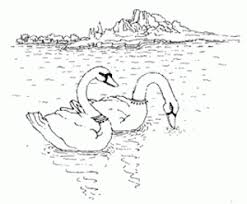
In a far away kingdom, there was a river. This river was home to many golden swans. The swans spent most of their time on the banks of the river. Every six months, the swans would leave a golden feather as a fee for using the lake. The soldiers of the kingdom would collect the feathers and deposit them in the royal treasury. 

One day, a homeless bird saw the river. “The water in this river seems so cool and soothing. I will make my home here,” thought the bird. 

As soon as the bird settled down near the river, the golden swans noticed her. They came shouting. “This river belongs to us. We pay a golden feather to the King to use this river. You can not live here.” 

“I am homeless, brothers. I too will pay the rent. Please give me shelter,” the bird pleaded. “How will you pay the rent? You do not have golden feathers,” said the swans laughing. They further added, “Stop dreaming and leave once.” The humble bird pleaded many times. But the arrogant swans drove the bird away. 

“I will teach them a lesson!” decided the humiliated bird. 

She went to the King and said, “O King! The swans in your river are impolite and unkind. I begged for shelter but they said that they had purchased the river with golden feathers.” 

The King was angry with the arrogant swans for having insulted the homeless bird. He ordered his soldiers to bring the arrogant swans to his court. In no time, all the golden swans were brought to the King’s court. 

“Do you think the royal treasury depends upon your golden feathers? You can not decide who lives by the river. Leave the river at once or you all will be beheaded!” shouted the King. 

The swans shivered with fear on hearing the King. They flew away never to return. The bird built her home near the river and lived there happily forever. The bird gave shelter to all other birds in the river. 

Sholay is Also the Story of India in the 1970s

When the Ramesh Sippy directed film, Sholay released on August 15, 1975, it was greeted with very lukewarm reviews. Most publications dismissed it as another humdrum dacoit drama, a genre that was already fading away by then. True, the film was technically polished and had some exciting stunt scenes, but for the rest, it was just another potboiler, with a good mix of comedy, pathos, drama and action. If anything, it closely resembled another dacoit film, Mera Gaon Mera Desh that was released in 1971. The name Gabbar Singh bore a close resemblance to Jabbar Singh, the villain of Mera Gaon.

Industry gossip also had it that producer G P Sippy, a powerful presence in the industry, had used his considerable influence to get the film passed with minimum cuts. Those were the early days of the Emergency, which began on June 26, and the babus were particularly strict about enforcing it; film producers had been told that excessive violence would not be allowed. The original ending of the film, in which Sanjeev Kumar hacks off Gabbar’s arms before killing him, had to be changed, but a lot of other violent scenes escaped the censor’s eye.

Yet, 40 years later, we are all celebrating Sholay as not just an iconic film but also as the greatest Indian film ever made. Audiences across generations know of it. We remember its songs, its dialogues, its scenes; we reference it in our daily conversations – “kitney aadmi they” is immediately recognised by everyone and we parody it, like “Gabbar ki Asli Pasand.” It is no longer a film—it is a cultural marker, and a milestone in the century-long journey of Hindi cinema.

How did that happen?

There is no one answer to this question. It’s not as if it has a refreshingly original story. Dacoit films were routine, even if dying by the time it came along; revenge stories, too, were dime a dozen—Yaadon ki Baarat is a good example. On-screen buddies – bromance, as it would be called today – were not all that unusual either.

Ideas inspired and lifted

In fact, Sholay can be said to be a film that included all the clichés of Hindi cinema plus many “inspired” moments from foreign films, including some direct lifts, such as Dharmendra’s drunken scene on top of the water tower, which was neatly picked up from Secret of Santa Vittoria, starring Anthony Quinn. The horses running parallel to a train sequence was a staple of Cowboy films.

Yet, Sholay has to be seen not as a coming together of clichés but in its entirety; its sum is greater than its parts. It is the packaging that makes all the difference. Young Ramesh Sippy weaved it all together in a very entertaining way, backed by a solid script and dialogue by Salim Javed and helped by some strong actors.

Watched today, Sholay is not just a film that entertains but a cultural artifact that tells us a lot about the 1970s and how the country – even if via commercial cinema – saw itself at the time. The characters, their respective positions in the film and their interplay tell us of an India that was vastly different from, and perhaps more innocent than, what it is today.

The village that is India

The village of Ramgarh is a microcosm of the ideal, imagined India—an idyllic village where people get along well but where everyone has a designated role and status. Thus, the retired cop (Sanjeev Kumar) is an upper caste Thakur, a distant figure nursing his anger and served by his loyal staff. His daughter-in-law, a widow, lives in his house but does not communicate with anyone. She is always in a white sari. She is more or less invisible to the villagers but not to Jai, the petty criminal brought from elsewhere as a mercenary to fight the dacoit who is terrorising the village. In the village scheme of things, a widow would remain in her weeds all of her life. If Jai didn’t die, would he and Radha have married? How would society have reacted?

On the other hand, the same village also has a working woman, Basanti. By the 1970s women were very visible in the workforce, so an outspoken, independent minded chatterbox was a perfectly legitimate character to create—Salim Javed’s films were full of women like this, from Jaya Bhaduri in Zanjeer to Geeta in Seeta aur Geeta. Basanti is the family’s wage earner, which she does with aplomb, and loses her heart to the macho but fun loving Veeru who is an outsider to her village.

In most of the 1950s and ‘60s, the newcomer in a village, usually a city slicker, was seen to be an exploiter of some sort, more often than not a seducer of innocent women who would eventually depart, leaving a broken heart and occasionally an unwanted pregnancy behind. That trope was fading away by the 1970s, as India – and its films – became more and more urban centric.

An interesting character in Sholay – and very much a 1970s stereotype – was Imam Saheb, the blind Muslim cleric whose son is killed. Played by the incomparable A K Hangal, Iaam Saheb was the prototype of the kindly Rahim chachas who proliferated in Bollywood – token Muslim characters who were almost always benevolent and harmless. To make sure the audiences got the message, the character was made to wear “Muslim” garb, which for men meant a sherwani and skull cap and for the women a sharara with a dupatta covering the head; they were made to spout “Muslim” sounding lines, such as “Ya Allah” or “La hawla wa la quvvat”. The presence of the gentle Muslim buttressed the secular credentials of the film but was reflective of how not just filmmakers but the rest of the country largely viewed Muslims; prejudices existed, but these did not extend to thinking of them as threats. It was still Nehruvian India.

The portrayal of Muslims in Hindi cinema is more nuanced in recent times, but this has opened the field for showing the “sinister” Muslim as posited against the “patriotic” one. Simple items of clothing have turned into shorthand for signalling the Muslim character’s menacing intentions. The Rahim chachas of yore now look like cardboard cutouts and caricatures, except that they cannot even be made fun of. In the 1970s, it was much simpler, even if it was all too filmy and a bit artificial.

Gabbar dominates

Arguably the most interesting character in Sholay is Gabbar Singh. Not only is the part well written, Amjad Khan took it beyond what the script writers intended. He was a new comer on the screen (barring a few roles as a kid), but he refused to be fazed by the presence of big stars; if anything, he towered above them, drawing all the attention to himself. Today we remember Gabbar more than the others.

As essayed by Khan, Gabbar Singh emerges less as pure evil and more as a man whose profession happens to be dacoity. No clues are provided to help us guess how and why he became an outlaw. Was he kidnapped as a child by dacoits? Did he commit a crime against the evil zamindars who burnt down his house and turned into a wanted man? Or, as is likely, he is just a de-mobbed soldier who found this a lucrative option; certainly his military fatigues suggest some kind of services background. Maybe he could not get gainful employment and drifted into this business. He certainly has leadership and organizational skills and keeps a tight control over his troops. Amjad Khan could have turned him into a caricature-he didn’t.

It is also tempting to wonder what his social background could be. Is he from a minor agricultural family who lost all its land? Perhaps he is an OBC, which would impart an added dimension to the famous dialogue, “Yeh haath mujhe de de Thakur”, indicating the aspirations of the backward castes who now want access to jobs and areas that the upper castes dominated. Caste in Hindi films was mentioned only in the reformist films made by the likes of Bombay Talkies, V Shantaram and Bimal Roy and later, in art films; for the rest, it was assumed that the characters belonged to the upper castes—Brahmins, Kshatriyas, Khatris and Kayasthas. The OBCs did not exist as a concept yet; was Gabbar Singh a portent of times to come?

Of course these ideas were farthest from the minds of the writers and more so the audiences. For them, Sholay was a ripping good yarn, told racily. Great acting by all, from the big stars to the character actors, whether it was Asrani as the jailer, Jagdeep as Soorma Bhopali and even MacMohan, who became famous for just one line.

An important aspect of Sholay’s remarkable success and durability has rarely been discussed—its marketing. The film was sold as the Greatest Story Ever Told and its posters were evocatively designed.

sholay (1)

The Sippys did not spare any expense in promoting the film. The dialogues of the film were included in the LPs and were played from loudspeakers during festivals. There was no escaping “Kitney Aadmi They” or “Pure Pachas Hazaar”. These innovative ways to push not just the film but also the idea of the film – as something unique – really paid off. A legend began building around it as a larger than life work of art that has endured till today.

Weak songs

The film has many weaknesses, of course. The music is the most prominent one of them. R D Burman was a composer of hits at the time, but Sholay’s songs are positively lacklustre and would never be counted among his best. “Koi haseena jab rooth jaati hai to” is just a dull song, and “Yeh Dosti” lacks verve and zing. The mandatory Holi song can be cut with no ill effects on the film. Mehbooba is of course a direct lift from a song by the Cypriot singer Demis Roussos. This was a film that really did not really need songs.

What is the secret of the film’s longevity? To begin with, legend feeds upon legend. Once we accept the idea that it is a great film, then it becomes difficult to distance oneself from it. This is not to say the film is not good, but it has acquired a halo over the years. But even today, it holds the viewer. Many old classics look boring now—Sholay does not. And it will not even 50 years from today.

Six Tips for Effective Weed Control

Proven methods for controlling weeds in your garden

If you were to track every hour spent in your garden, you would probably find that you do an inordinate amount of weeding. And while the first few weeks of tearing up these intruders can prove mildly satisfying, the chore soon wears thin. Even more maddening—you are just six simple strategies away from your garden not needing weeds anymore.

What’s that? A garden needs weeds? Weeds are nature’s healing remedy for sites that are in a wounded, plantless state, but weeds and gardeners have different ideas of what makes for a good recovery. Armed with a better understanding of weeds and the strategies outlined here, you can win every future skirmish, giving you more time to enjoy your well-groomed garden.

1. Let sleeping weeds lie


Kill weeds at their roots but leave the soil—and dormant weed seeds—largely undisturbed.
Photo/Illustration: Brandi Spade

Every square inch of your garden contains weed seeds, but only those in the top inch or two of soil get enough light to trigger germination. Digging and cultivating brings hidden weed seeds to the surface, so assume weed seeds are there ready to erupt, like ants from an upset anthill, every time you open a patch of ground. Dig only when you need to and immediately salve the disturbed spot with plants or mulch.

In lawns, minimize soil disturbance by using a sharp knife with a narrow blade to slice through the roots of dandelions and other lawn weeds to sever their feed source rather than digging them out. Keep in mind that weed seeds can remain dormant for a long, long time.

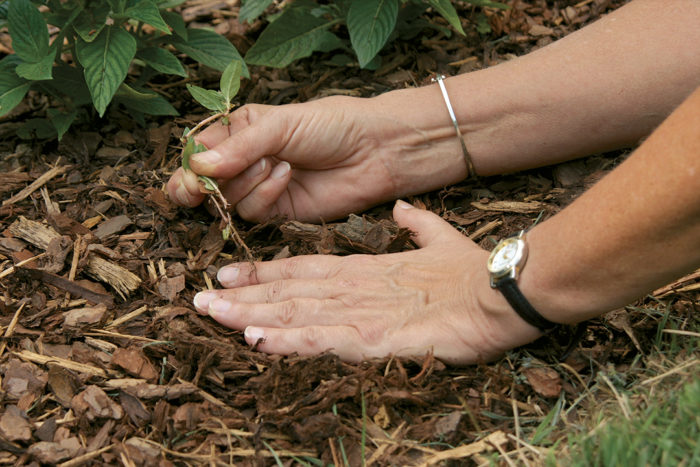
2. Mulch, mulch, mulch


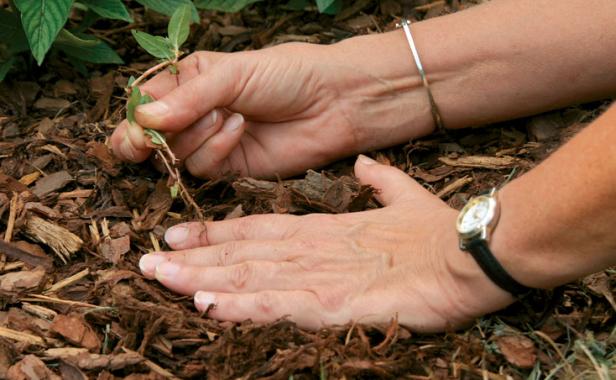
Don’t give weeds the chance to see the light. Whether you choose wood chips, bark nuggets, straw, or even pine needles, keep the mulch coming to smother out weeds.
Photo/Illustration: Michelle Gervais

Mulch benefits plants by keeping the soil cool and moist and depriving weeds of light. Organic mulches, in particular, can actually host crickets and carabid beetles, which seek out and devour thousands of weed seeds.

Some light passes through chunky mulches, and often you will discover—too late—that the mulch you used was laced with weed seeds. It’s important to replenish the mulch as needed to keep it about 2 inches deep (more than 3 inches deep can deprive soil of oxygen). In any case, you can set weeds way back by covering the soil’s surface with a light-blocking sheet of cardboard, newspaper, or biode­gradable fabric and then spreading prettier mulch over it.

If you choose to use this method on seldom-dug areas, such as the root zones of shrubs and trees, opt for tough landscape fabric for the light-blocking bottom sheet. There is a catch, however: As soon as enough organic matter accumulates on the landscape fabric, weed seeds dropped by birds or carried in on the wind will start to grow. For the bottom layer of fabric to be effective, these must be pulled before they sink their roots through and into the ground.

Monday: Kill weeds. Tuesday: Kill weeds…

If you’re a new gardener—or you’re working in a wild and weedy space—the first season will likely be a rough one. Commit (and stick) to a weeding schedule, and don’t take on more space than you can manage. If you have more weeds than you can handle, keep weedy areas mowed until you’re ready to conquer them.

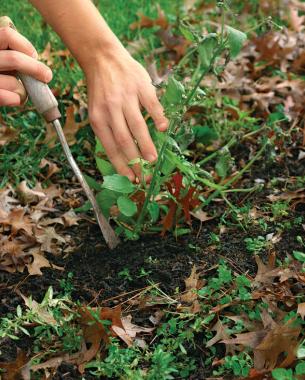
3. Weed when the weeding’s good


Young weeds go down much easier than older ones, so make the most of good weeding conditions.
Photo/Illustration: Michelle Gervais

The old saying “Pull when wet; hoe when dry” is wise advice when facing down weeds. After a drenching rain, stage a rewarding weeding session by equipping yourself with gloves, a sitting pad, and a trug or tarp for collecting the corpses. As you head out the door, slip an old table fork into your back pocket because there’s nothing better for twisting out tendrils of henbit or chickweed. When going after bigger thugs, use a fishtail weeder to pry up taprooted weeds, like dandelion or dock.

Under dry conditions, weeds sliced off just below the soil line promptly shrivel up and die, especially if your hoe has a sharp edge. In mulched beds, use an old steak knife to sever weeds from their roots, then patch any open spaces left in the mulch.

Heat is the key to composting weeds

Few experiences compare to the joy of watching weeds shrivel in the sun after a morning weeding session, but then what should you do with them? Their best resting place, of course, is a compost pile or bin, which is the end of the story if the weeds going in are free of seeds. In reality, however, a good half of the weeds you pull probably hold seeds. Separating the seedies from other weedies is impractical, so weed seeds in compost are customarily killed by raising the temperature in the heap.

Keep it hot. Running a hot heap calls for precise mixing and remixing of materials. Rather than struggle to heat up a heap that wants to run cold, I suggest waiting until a weedy heap reaches a nearly rotted state to set things right. From there, you can solarize small batches of moist compost in black plastic nursery liners that are enclosed in clear plastic bags and placed in the sun for two to three days.

Now you’re cooking. Easier than solarizing, plug in an old Crock-Pot outdoors, turn it to its lowest setting, and warm batches of compost while you sleep (three hours at 160°F kills most weed seeds).

Heat treating weedy compost destroys many of the microscopic life-forms that give compost its punch, so it’s a good idea to reprocess cooked compost for two to three weeks before using it in the garden. Place it in a plastic storage bin with a handful of earthworms borrowed from your garden and it will soon be laced with humic acids and other plant-pleasing compounds.

Chopping off weed heads feels good and you’ll reap short- and long-term benefits.
Photo/Illustration: Brandi Spade

4. Lop off their heads

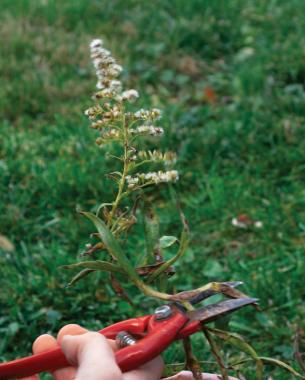
When you can’t remove weeds, the next best thing is to chop off their heads. With annual weeds, dead­heading buys you a few weeks of time before the weed “seed rain” begins. Cutting back the tops of perennial weeds, like bindweed, reduces reseeding and forces them to use up food reserves and exhaust their supply of root buds, thus limiting their spread.

You will need pruning loppers to take down towers of ragweed or poke, or you can step up to a string trimmer equipped with a blade attachment to cut prickly thistles or brambles down to nubs. No matter which method you choose, chopping down weeds before they go to seed will help keep them from spreading.

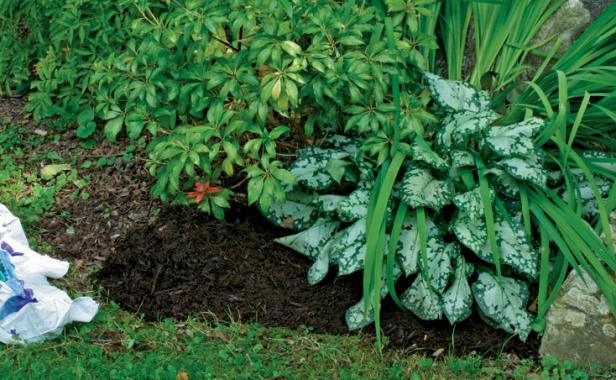
5. Mind the gaps between plants

Tightly planted beds leave no room for unwanted visitors.
Photo/Illustration: Todd Meier

Close plant spacing chokes out emerging weeds by shading the soil between plants. You can prevent weed-friendly gaps from the get-go by designing with mass plantings or in drifts of closely spaced plants rather than with polka dots of widely scattered ones. You can usually shave off about 25 percent from the recommended spacing.

Most spacing recommendations, however, are based on the assumption that adjoining plants will barely touch when they reach mature size, so stick with the guidelines when working with plants that are prone to foliar diseases, such as bee balms (Monarda didyma and cvs., USDA Hardiness Zones 4–9) and phloxes (Phlox paniculata and cvs., Zones 4–8).

More on controlling weeds

6. Water the plants you want, not the weeds you’ve got

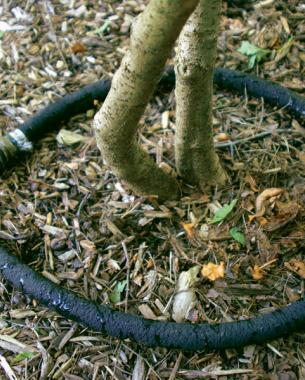
Drip irrigation is the way to go for a quick way to water your plants and not your weeds. Watering by hand works, too, but it’s often tedious.
Photo/Illustration: Steve Aitken

Put drought on your side by depriving weeds of water. Placing drip or soaker hoses beneath mulch efficiently irrigates plants while leaving nearby weeds thirsty. In most climates, depriving weeds of water reduces weed-seed germination by 50 to 70 percent. Watch out, though, for the appearance of deeply rooted perennial weeds, such as bindweed and nutsedge, in areas that are kept moist. They can take off in a flash when given the benefits of drip irrigation.

Beyond these strategies, enriching your soil with organic matter every chance you get can move your garden along down the weed-free path. Soil scientists aren’t sure how it works, but fewer weed seeds germinate in soil that contains fresh infusions of good compost or organic matter. One theory makes elegantly simple sense: When soil is healthy and well fed, weed seeds sense that they are out of a job and are less likely to appear.